Planning a reliable commercial electrical service is not simply a technical requirement; it is a strategic investment in safety, efficiency, and long-term operational stability. In any commercial environment, electricity powers critical systems such as lighting, HVAC equipment, security infrastructure, data networks, and production machinery. Even minor electrical disruptions can lead to downtime, financial losses, and safety hazards. That is why careful planning, professional assessment, and forward-thinking design are essential when developing or upgrading a commercial electrical service.
A dependable Commercial Electrical Service begins with a comprehensive evaluation of current and future power demands. Businesses evolve, and so do their electrical needs. Expanding workspaces, adding advanced equipment, or integrating digital technologies all increase electrical load requirements. Without proper planning, systems can become overloaded, leading to breaker trips, overheating components, and potential fire risks. An accurate load calculation ensures that the electrical infrastructure can support both existing operations and anticipated growth without strain.
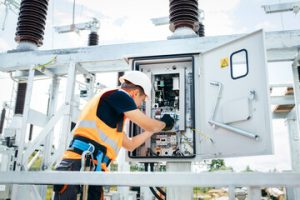
The first essential step in planning a reliable commercial electrical service is conducting a detailed power needs assessment. This involves analyzing the total connected load, peak demand periods, and equipment-specific voltage requirements. Commercial facilities often operate on complex schedules, with different systems drawing power at varying times throughout the day. Understanding these usage patterns allows for a more efficient and balanced electrical design. A well-calculated system reduces unnecessary energy waste while maintaining consistent performance across all departments.
Another foundational step is designing a scalable electrical distribution system. Scalability is critical in commercial environments because growth is often inevitable. Whether it involves adding new office space, installing additional machinery, or expanding digital infrastructure, a scalable system accommodates change without requiring complete reconstruction. Electrical panels should have sufficient capacity for additional circuits, and conduit pathways should allow for future wiring expansion. Planning for flexibility today prevents costly overhauls tomorrow.
When developing a commercial electrical plan, it is important to prioritize safety and code compliance from the outset. Electrical codes exist to minimize fire risks, prevent shock hazards, and ensure safe operation of equipment. Compliance is not merely a regulatory requirement; it is a safeguard for employees, customers, and assets. Every component, from panelboards to grounding systems, must meet current safety standards. Ignoring compliance during planning can result in inspection failures, insurance complications, and serious liability issues.
A reliable commercial electrical service also requires careful consideration of power quality. Power fluctuations, voltage drops, and harmonic distortions can negatively impact sensitive equipment. In offices, this may cause data loss or damage to servers. In manufacturing environments, inconsistent power can disrupt machinery and reduce productivity. Integrating power conditioning equipment, surge protection devices, and proper grounding systems into the initial design ensures stable and clean energy delivery.
Several critical components should be incorporated into any commercial electrical service plan:
- Adequate main service capacity and properly sized distribution panels
- Dedicated circuits for high-demand equipment
- Whole-building surge protection systems
- Clearly labeled and organized panel configurations
Each of these elements contributes to overall system reliability and ease of maintenance. Proper labeling alone can significantly reduce troubleshooting time during repairs or inspections.
Energy efficiency is another central consideration in planning a commercial electrical service. Rising energy costs directly affect operational budgets, and inefficient systems can drain resources over time. Incorporating energy-efficient lighting solutions, automated controls, and load management systems into the design phase provides measurable long-term savings. Occupancy sensors, programmable timers, and energy monitoring devices help optimize usage patterns and prevent unnecessary consumption. By integrating these features during initial planning, businesses can achieve lower utility costs while enhancing environmental responsibility.
Backup power planning is equally important for commercial electrical reliability. Unexpected power outages can halt operations, compromise security systems, and damage sensitive equipment. For certain industries, even a brief interruption can result in substantial financial losses. Incorporating backup generators or battery energy storage systems into the electrical plan ensures continuity during emergencies. A properly configured backup system should automatically transfer power without delay, maintaining critical systems until primary service is restored.
Preventive maintenance planning should also be integrated into the initial design of a commercial electrical service. Too often, maintenance considerations are treated as an afterthought. However, accessible panel placement, organized wiring, and clear system documentation significantly improve long-term serviceability. When maintenance teams can easily access components and understand system layouts, routine inspections become more efficient and less disruptive to operations.
A strong preventive maintenance strategy typically includes:
- Scheduled inspections of panels, breakers, and wiring connections
- Thermal imaging to detect overheating components
- Testing of grounding systems and surge protection devices
- Load balancing evaluations to prevent circuit strain
Building maintenance planning into the initial system design reduces downtime and extends the lifespan of electrical components.
Coordination between electrical planning and other building systems is another essential factor. Commercial facilities rely on interconnected systems, including HVAC, security, fire alarms, and communication networks. The electrical service must support these systems without interference or overload. Collaborative planning ensures that power distribution aligns with mechanical layouts and digital infrastructure. This integrated approach prevents conflicts and enhances overall operational efficiency.
Load management strategies further strengthen reliability. In large commercial facilities, simultaneous equipment startup can create significant demand spikes. Staggering startup sequences or implementing automated load shedding systems helps maintain stability during peak usage. These strategies prevent unnecessary stress on the main service and reduce the likelihood of unexpected shutdowns.
Risk assessment is another vital component of planning a reliable commercial electrical service. Identifying potential hazards such as moisture exposure, extreme temperatures, or high-dust environments allows planners to select appropriate equipment and protective enclosures. Environmental factors significantly influence system durability. Choosing the correct materials and protective measures ensures consistent performance even under challenging conditions.
Documentation and system mapping play an often-underestimated role in long-term reliability. Detailed electrical diagrams, panel schedules, and load calculations provide invaluable references for future upgrades and repairs. Without proper documentation, troubleshooting becomes time-consuming and costly. Maintaining accurate records ensures that technicians can quickly identify circuits, isolate issues, and implement changes efficiently.
Investing in professional expertise during the planning stage cannot be overstated. Commercial electrical systems are complex and require specialized knowledge to design effectively. Experienced professionals understand load dynamics, code requirements, and best practices for ensuring system resilience. Attempting to cut corners during planning often results in higher expenses later due to repairs, downtime, or compliance issues.
Future-proofing is an increasingly important consideration in modern commercial electrical planning. Technological advancements continue to reshape business operations, from electric vehicle charging stations to advanced automation systems. Anticipating these developments and incorporating adaptable infrastructure into the initial design ensures that the electrical service remains relevant for years to come. Planning conduit space for additional wiring, reserving panel capacity, and designing flexible distribution layouts are strategic decisions that support future innovation.
Cost management is naturally a concern when planning a commercial electrical service. However, focusing solely on upfront costs can be shortsighted. A lower initial investment may result in higher operational expenses if the system lacks efficiency or scalability. Evaluating total lifecycle costs—including maintenance, energy consumption, and potential downtime—provides a more accurate measure of value. A well-designed system may require greater initial funding but deliver substantial savings over time.
Communication between stakeholders is another critical factor. Property owners, facility managers, engineers, and electrical professionals must align on project goals and expectations. Clear communication ensures that the electrical design meets operational needs while staying within budget and timeline constraints. Regular consultations during the planning phase reduce misunderstandings and facilitate smoother project execution.
Ultimately, a reliable commercial electrical service is built on careful planning, strategic design, and proactive maintenance. It requires balancing immediate operational needs with long-term growth and adaptability. From accurate load calculations and scalable infrastructure to energy efficiency integration and backup power solutions, every decision influences overall system performance.
By following essential planning steps—comprehensive assessment, scalable design, safety compliance, energy optimization, backup preparation, preventive maintenance integration, and future-proofing—businesses can establish an electrical infrastructure that supports productivity and resilience. Reliable commercial electrical service is not merely about delivering power; it is about ensuring stability, protecting assets, and enabling sustainable growth.
In a competitive commercial landscape, operational continuity is paramount. Electrical reliability directly impacts productivity, safety, and financial performance. A thoughtfully planned commercial electrical service provides the foundation for success, ensuring that power systems operate seamlessly today while remaining adaptable for tomorrow’s demands.