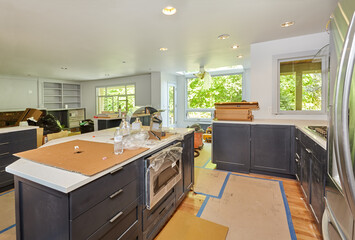
The kitchen has quietly transformed from a purely functional room into a central hub of everyday life. It is no longer just about cooking meals but also about connecting with others, managing daily routines, and creating a space that feels both efficient and inviting.
When a kitchen starts to feel outdated or disconnected from modern living, the idea of remodeling becomes more than just an upgrade. It becomes a chance to reshape the way the space supports your lifestyle. A modern kitchen layout focuses on flow, simplicity, and smart use of space, making it one of the most rewarding transformations a home can undergo. Visit Our Website for more details.
Understanding the Concept of a Modern Kitchen Layout
A modern kitchen layout is defined by clean lines, open space, and efficient design. It moves away from clutter and emphasizes simplicity while still delivering high functionality. The focus is on creating a layout that allows for smooth movement and easy access to everything needed for daily tasks.
This type of layout often integrates the kitchen with nearby living areas, creating a seamless transition between spaces. The idea is to make the kitchen feel less confined and more connected to the rest of the home. This approach not only enhances usability but also improves the overall atmosphere.
Functionality remains at the core of modern design. Every element is placed with intention, ensuring that the kitchen works as efficiently as possible. This balance between form and function is what makes modern layouts so appealing.
Evaluating Your Current Kitchen Space
Before starting a remodel, it is important to take a close look at the existing kitchen. Understanding what works and what does not helps guide the design process. Common issues may include limited workspace, poor lighting, or an awkward arrangement of appliances.
The current layout should be assessed for how it supports daily activities. If movement feels restricted or tasks require unnecessary steps, these are clear signs that the layout needs improvement. Identifying these challenges early makes it easier to develop solutions that enhance the overall design.
It is also helpful to consider how the space is used on a daily basis. Some households may need more room for cooking, while others prioritize seating and social interaction. Tailoring the layout to these needs ensures a more practical and satisfying result.
Creating an Efficient Workflow
One of the key principles of a modern kitchen layout is efficiency. The arrangement of major components such as the sink, stove, and refrigerator plays a significant role in how smoothly tasks can be completed. A well planned layout reduces unnecessary movement and makes the kitchen easier to use.
An efficient workflow allows for better organization and less clutter. When everything has a designated place, it becomes easier to maintain a clean and functional environment. This is especially important in a modern kitchen, where simplicity and order are essential elements of the design.
The goal is to create a space where cooking and other activities feel natural and effortless. By focusing on workflow, the kitchen becomes more than just a place to prepare meals. It becomes a space that supports productivity and comfort.
Embracing Open and Flexible Design
Open layouts are a defining feature of modern kitchen remodeling. Removing barriers between the kitchen and adjacent areas creates a sense of spaciousness and encourages interaction. This design approach allows for better communication and makes the kitchen a more social environment.
Flexibility is another important aspect of modern layouts. Spaces are designed to serve multiple purposes, whether it is cooking, dining, or working. This adaptability makes the kitchen more versatile and better suited to changing needs.
Incorporating features such as islands or extended countertops can enhance both functionality and style. These elements provide additional workspace and can also serve as gathering spots. The result is a kitchen that feels open, welcoming, and practical.
Choosing Modern Materials and Finishes
The materials and finishes used in a modern kitchen play a significant role in defining its look and feel. Clean surfaces, subtle textures, and a cohesive color palette are key characteristics of this design style. The focus is on creating a polished appearance that is both stylish and easy to maintain.
Durability is an important consideration when selecting materials. Kitchens are high use areas, and surfaces must be able to withstand daily wear. Choosing materials that are resistant to stains, heat, and moisture helps ensure long lasting results.
Color choices often lean toward neutral tones, which create a calm and balanced environment. Accents can be added through finishes or small design elements to provide visual interest without overwhelming the space. This approach keeps the design fresh and timeless.
Integrating Storage Solutions
Storage is a critical component of any kitchen, and modern layouts place a strong emphasis on organization. Effective storage solutions help maintain a clean and uncluttered appearance while ensuring that everything is easily accessible.
Cabinet design has evolved to include features that maximize space and improve usability. Deep drawers, hidden compartments, and customized shelving allow for better organization of kitchen items. These solutions make it easier to keep the space tidy and efficient.
In addition to traditional cabinets, modern kitchens may include open shelving or built in storage options. These elements provide both functionality and an opportunity to enhance the overall design. Thoughtful storage planning ensures that the kitchen remains practical and visually appealing.
Enhancing Lighting for Function and Style
Lighting is an essential element in modern kitchen remodeling. It affects both the functionality and the atmosphere of the space. A well lit kitchen makes it easier to perform tasks while also creating a warm and inviting environment.
Different types of lighting work together to achieve the desired effect. Task lighting is used for specific areas where activities take place, while ambient lighting provides general illumination. Accent lighting can highlight design features and add depth to the space.
Natural light is also an important factor. Maximizing daylight can make the kitchen feel more open and vibrant. Combining natural and artificial lighting creates a balanced and comfortable setting that enhances the overall design.
Incorporating Modern Features and Technology
Modern kitchens often include features that improve convenience and efficiency. Advances in technology have made it possible to integrate smart solutions into everyday tasks. These features can enhance the overall experience of using the kitchen.
Appliances with energy efficient capabilities are commonly used in modern layouts. They not only reduce energy consumption but also contribute to a more sustainable lifestyle. Smart controls and automated systems can simplify tasks and improve functionality.
While technology offers many benefits, it is important to choose features that align with individual needs. The goal is to create a kitchen that is practical and easy to use rather than overly complex. Thoughtful integration ensures that technology enhances the design without becoming overwhelming.
Balancing Aesthetics and Practicality
A successful modern kitchen layout achieves a balance between visual appeal and everyday functionality. While it is important for the space to look attractive, it must also meet the practical demands of daily use. This balance is what makes the design truly effective.
Every element should serve a purpose while contributing to the overall aesthetic. From the placement of appliances to the selection of materials, each decision plays a role in shaping the final result. Keeping both form and function in mind ensures a cohesive and efficient design.
By focusing on practicality without sacrificing style, it is possible to create a kitchen that is both beautiful and highly functional. This approach leads to a space that remains enjoyable and useful over time.
Conclusion
Kitchen remodeling for a modern kitchen layout is about more than updating appearances. It is a thoughtful process that redefines how the space is used and experienced. By focusing on efficiency, openness, and smart design choices, a modern layout can transform the kitchen into a central and dynamic part of the home. With careful planning and attention to detail, the result is a space that supports daily life while offering a clean and contemporary look that stands the test of time.